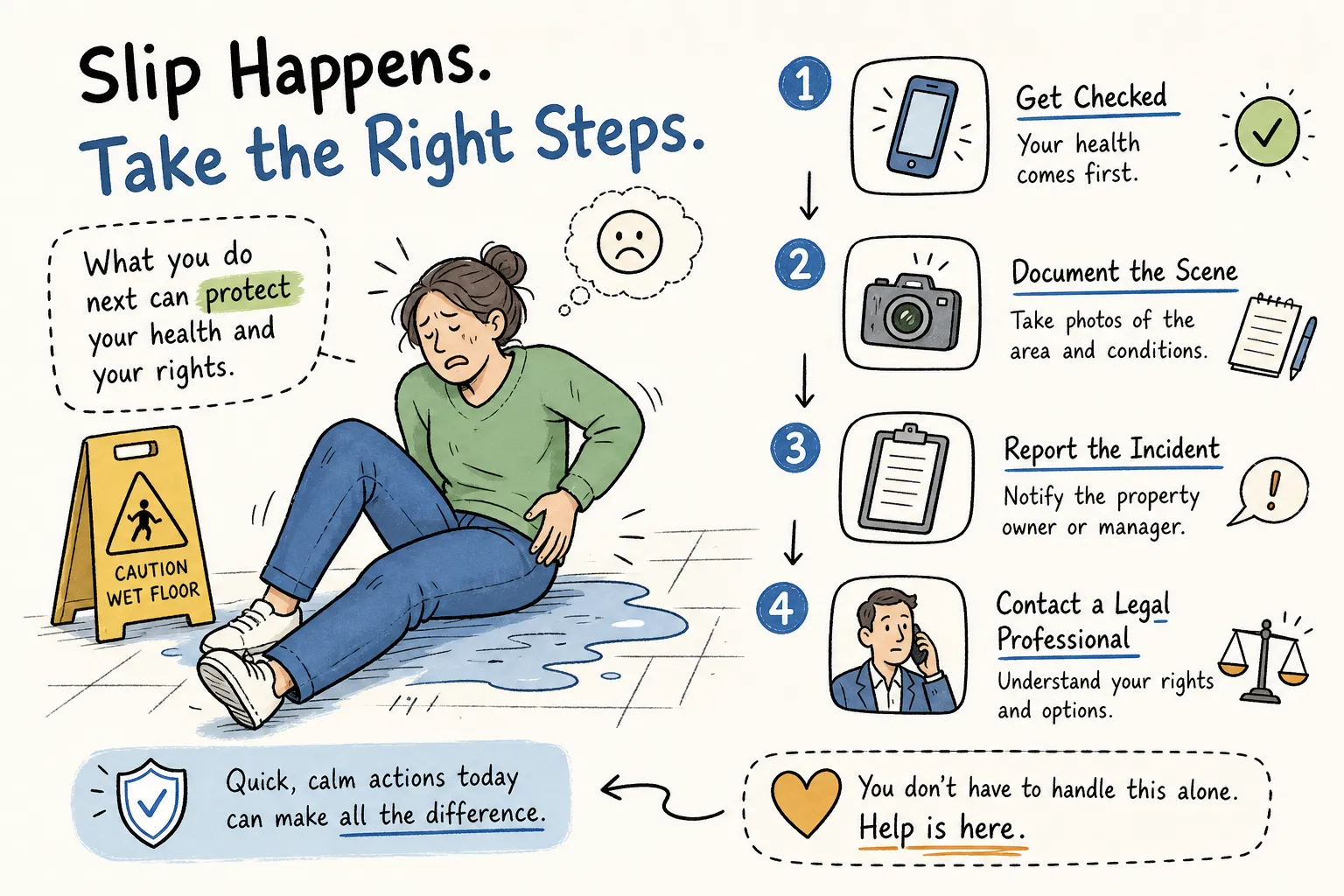
After an accident in Phoenix, choosing the right personal injury attorney in Phoenix, AZ is one of the most consequential decisions you’ll make. Yet most people do it with almost no guidance. They search online, pick a firm with a familiar name, and hope for the best. That anxiety of not knowing who to trust or what to ask is completely understandable, and it’s exactly why so many injury victims end up feeling like a case number rather than a person.
The Phoenix personal injury market is crowded. Billboards, TV commercials, and pay-per-click ads compete for your attention at your most vulnerable moment. Boutique firms like Law Angels were built specifically because the standard approach in this market leaves too many clients behind. Their founding philosophy, “You Heal While We Recover!®,” starts with a simple premise: you shouldn’t have to fight an insurance company while you’re trying to get better. Someone should carry that burden for you.
This guide covers the five areas that actually separate a strong Phoenix injury attorney from a disappointing one: experience, who handles your case, how fees work, how to vet a firm’s track record, and the deadlines that can quietly kill your claim.
What to look for in a personal injury attorney in Phoenix, AZ, experience
“Experience” is the most overused and underexplained word in attorney marketing. Years in practice matter, but they don’t tell the whole story. The question isn’t how long someone has been a lawyer; it’s whether they’ve spent that time handling cases like yours.
Case type specialization matters more than years in practice
An attorney who has handled hundreds of car accident claims in Phoenix will navigate insurance adjusters, Maricopa County courts, and Arizona’s comparative fault rules far more effectively than a general practice attorney with two decades on their resume. When you evaluate any Phoenix auto accident attorney, look at their case history and whether they can speak specifically about outcomes in situations similar to yours. If the website covers every area of law from DUI to divorce, that’s a signal worth noticing.
Local knowledge gives attorneys a real tactical edge
Arizona follows a pure comparative negligence standard, which means your recovery can be reduced by your own percentage of fault. A Phoenix injury lawyer who has negotiated repeatedly with State Farm, USAA, or Allstate in this specific market understands how those adjusters think and where they push back. That knowledge doesn’t come from textbooks; it comes from years of working these claims inside Maricopa County courtrooms and across the negotiating table.
How to read settlement results honestly
A $25 million verdict headline is less meaningful if it was a single catastrophic outlier. Phoenix-area auto accident results range from $300,000 for moderate injuries up to $25 million for severe harm; wrongful death settlements have ranged from $1.6 million to $15 million; and slip-and-fall recoveries typically fall between $100,000 and $300,000 depending on severity. Ask any attorney you interview about outcomes in cases with fact patterns similar to yours, not just their best headline result, so you can judge whether their experience actually fits your situation.
Why who personally handles your case changes everything
Many Phoenix personal injury firms advertise heavily, intake aggressively, and then hand cases down a chain of associates and paralegals. Understanding how this affects your case is the most important thing in this guide.
What a high-volume mill firm looks like from the inside
After you sign with a mill firm, you’re typically handed to a case manager. The founding attorney whose face appeared on the billboard may never touch your file. Calls go unreturned, updates are scarce, and when the insurance company makes a lowball offer, there’s rarely anyone with the time or motivation to push back hard. When a firm carries hundreds of active cases per attorney, each case gets a fraction of the attention it deserves, and that directly affects how your case is built and negotiated.
What direct attorney access actually means for your outcome
Genuine direct access means the attorney who evaluates your case on day one is the same person building your demand package, negotiating with the insurer, and calling you back when you have questions. This continuity matters enormously in complex cases involving serious injuries, disputed liability, or wrongful death. When new developments arise (new medical records, a disputed liability finding, an insurer that goes quiet), you want someone already deep in your file who can respond without missing a beat.
How boutique firms like Law Angels stand apart in Phoenix
Law Angels’ founding attorneys John Griffiths and Justin Johanson intentionally limit their caseload so they can personally manage every client relationship from intake through resolution. That’s not a marketing claim; it’s a structural choice about how many cases the firm accepts. Their “You Heal While We Recover!®” philosophy translates into a concrete commitment: they carry the legal burden so you can focus entirely on getting better. In a Phoenix market dominated by high-volume advertising firms, that structural choice is worth asking about directly when you evaluate any personal injury law firm in Phoenix, AZ.
How contingency fees work and what to ask before signing
Many injury victims avoid calling a personal injury attorney in Phoenix, AZ because they assume they can’t afford one. The contingency fee model eliminates that barrier, but understanding how it works protects you from surprises.
The standard fee range and what moves it up or down
Most Phoenix personal injury attorneys charge between 33.3% and 40% of the recovery. The lower end typically applies to cases that settle before a lawsuit is filed; the higher percentage kicks in if the case goes to trial. On a $100,000 settlement, a 33% fee means $33,000 to the attorney before case costs. The percentage is sometimes negotiable before you’ve signed, especially on strong, straightforward claims.
Case costs are separate from the attorney’s percentage
The contingency fee and case costs are two different things. Litigation expenses, including medical record retrieval, police reports, expert witness fees, deposition transcripts, and court filing fees, are typically advanced by the firm and deducted from the settlement. Some agreements require you to cover these costs even if the case is unsuccessful, so reading the fee agreement carefully is essential. Ask explicitly: “Will I owe anything if we don’t win?”
Red flags to watch for before you sign
Before signing any fee agreement, get clear answers to these questions: Does the percentage change if the case goes to litigation? Are case costs included or deducted separately? Who advances those costs? Is there a written fee agreement you can review before you commit? A credible Phoenix injury attorney answers these questions clearly and without pressure. Vague or evasive answers here are a reason to walk away.
How to vet reviews, settlements, and an attorney’s disciplinary record
Once you’ve narrowed your list to two or three firms, doing your homework takes about 20 minutes and eliminates a significant amount of risk.
What review patterns actually reveal
Star ratings matter less than recurring themes. Look for consistent mentions of communication quality, whether clients felt informed and respected, and how the attorney handled complications or delays. Specific red flags appear in patterns: repeated complaints about unreturned calls, clients feeling passed off to paralegals, pressure to settle quickly, or confusion about fees. One negative review is noise; the same complaint appearing across five or ten reviews is a meaningful signal. Also notice how the firm responds to critical reviews, because how they handle conflict in public tells you something about how they’ll handle it on your case.
Check the State Bar of Arizona before you sign anything
The State Bar of Arizona maintains an online directory where you can confirm any attorney’s current license status and view their public discipline history in about five minutes. Look for current good standing, and check for any history of reprimands, suspensions, or ethics violations. One minor issue from years ago is different from recent or repeated discipline. This step costs you nothing and removes an entire category of risk from your decision.
Arizona deadlines every Phoenix injury victim needs to know
Many injury victims delay contacting an attorney because they assume they have plenty of time. Arizona’s filing deadlines are strict, and some are shorter than most people realize.
The 2-year rule under A.R.S. § 12-542
Most personal injury claims in Arizona, including car accidents and slip-and-fall cases, must be filed within two years of the injury date under A.R.S. § 12-542. Two years sounds like a long time, but it shrinks quickly in practice. Medical treatment needs to conclude before a demand can be properly valued, insurance negotiations take time, and filing a lawsuit right at the deadline leaves no room for error. Starting early gives your attorney the space to build a strong case rather than a rushed one.
Government claims and the 180-day notice requirement
If your injury involved a city bus, a government-owned vehicle, a public facility, or a municipal road defect, Arizona law requires a formal Notice of Claim within 180 days under A.R.S. § 12-821.01. Missing that notice deadline can completely bar your claim, regardless of how clear the liability is. This requirement surprises many Phoenix injury victims, particularly those involved in accidents with public transit or city-maintained infrastructure.
Early action directly improves your case
Evidence degrades fast after an accident. Surveillance footage gets overwritten, witnesses forget details, skid marks fade, and vehicle data disappears. The earlier an attorney gets involved, the better your chance of preserving the evidence that makes the difference between a strong demand and a weak one. Waiting doesn’t protect you; it costs you.
The right questions to ask before hiring a personal injury attorney in Phoenix
The three questions below cut through firm marketing and surface what you actually need to know before you sign anything. They work because they require specific, verifiable answers rather than rehearsed reassurances.
Who will actually handle my case from intake through resolution?
This is the single most important question you can ask. If the answer is “a team” or “your case manager,” you’re looking at the mill firm model. A credible answer names the specific attorney who will build the strategy, make the calls, and negotiate your settlement. At Law Angels, founding attorneys John Griffiths and Justin Johanson personally handle every case, this question has a clear, concrete answer from the first conversation.
What is your current caseload, and how accessible will you be?
An attorney carrying 200 active cases cannot give a serious car crash or wrongful death claim the attention it deserves. Ask directly how many active cases the firm currently carries, how often you can expect updates, and whether you’ll be able to reach your attorney by phone. A firm with a limited caseload will answer this without hesitation. Deflection or vague references to “the team” are worth noting.
What’s your honest assessment of my case value and timeline?
Any attorney who promises a specific dollar amount before reviewing your medical records and liability evidence is telling you what you want to hear, not what your case actually needs. A good lawyer will explain the range of realistic outcomes, the factors that affect case value (severity, liability clarity, policy limits, contributory fault), and a realistic timeline for resolution. Measured, honest answers here are a strong signal that the attorney is thinking strategically rather than racing to close a retainer.
The bottom line on finding the right attorney in Phoenix
The right personal injury attorney in Phoenix, AZ brings the right case-type experience and handles your file personally. They explain their fees transparently, have a verifiable track record, and respect Arizona’s strict filing deadlines. Those five qualities, taken together, are what separate a firm that will fight for your recovery from one that will process your claim.
The best personal injury attorneys in Phoenix aren’t necessarily the ones with the biggest billboards or the most TV commercials. They’re the ones who treat your case as the most important file on their desk.
At Law Angels, founding attorneys John Griffiths and Justin Johanson personally handle every case under a pure contingency fee structure: you owe nothing unless they win. Their limited caseload model exists for one reason: to make sure every client gets the attention their case actually deserves. Free no-obligation consultations are available now.
Call 844-THE-ANGELS or reach out online to get a case evaluation from attorneys who will actually pick up the phone.